Industrial Shear Blades for Container Glass Manufacturing: Optimizing Lifetime and Cut Quality
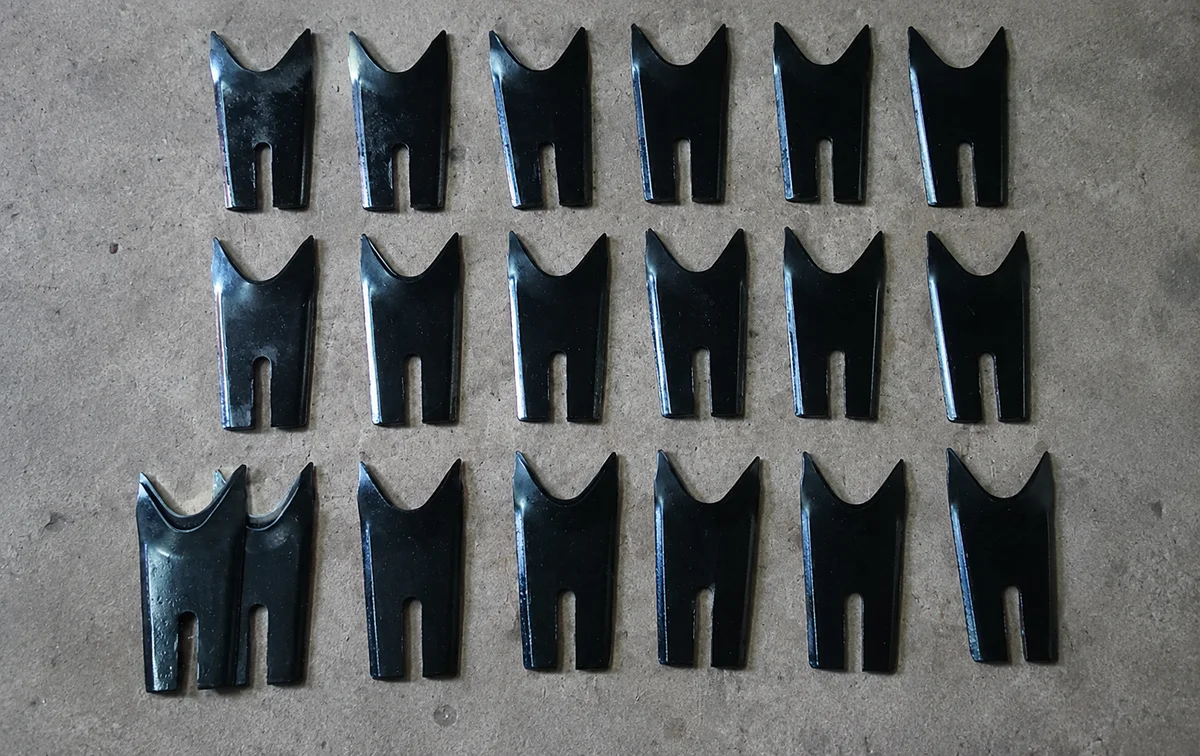
An engineering analysis of tungsten carbide metallurgy, shear tensioning, and lubrication in container glass gob-cutting. Maximize shear blade lifetime and eliminate shear marks.
In high-volume container glass manufacturing, the stability of the forming process is heavily dependent on the quality of the molten glass “gob” delivered to the IS (Individual Section) machine. The shearing of the molten glass stream at temperatures exceeding 1,000°C (1,832°F) is one of the most demanding cutting operations in modern industry.
At this temperature, industrial shear blades are subjected to severe operating conditions: intense thermal shock, high-frequency mechanical impact, chemical corrosion from glass additives, and abrasive wear. Any deterioration of the cutting edge leads to uneven gob shapes, weight variations, and visible “shear marks” on the finished glass containers.
For B2B procurement managers and glass plant engineers, understanding the metallurgy and mechanical calibration of shear blades is essential to minimizing downtime and maximizing container yield.
1. Metallurgy: The Physics of Tungsten Carbide Inserts
Traditional tool steel shear blades suffer from rapid thermal softening and oxidation when exposed to molten glass. Modern high-speed glass production requires hybrid shear blades: a high-strength alloy spring steel body with a high-performance Tungsten Carbide (WC-Co) insert brazed directly onto the cutting edge.
The selection of the carbide grade is a delicate thermodynamic trade-off:
A. Cobalt (Co) Binder Content
Cobalt acts as the matrix binder that holds the hard tungsten carbide grains together.
- High Cobalt (15% – 18%): Increases fracture toughness, preventing the blade edge from chipping under the impact of high-speed shearing (up to 200 cuts per minute).
- Low Cobalt (8% – 10%): Increases abrasive wear resistance and hardness, but makes the cutting edge brittle and prone to micro-chipping.
- NEXMEK Standard: We utilize a specialized grade with 12% to 15% Cobalt binder, optimized specifically for the mechanical shocks of double-gob and triple-gob configurations.
B. Grain Size Optimization
- Coarse Grain (> 2.0 μm): Offers higher thermal shock resistance but poorer edge retention.
- Sub-Micron Grain (0.5 μm – 0.8 μm): Provides a significantly denser structure. This allows for a sharper ground edge, reduces micro-scale wear, and prevents chemical corrosion (leaching of the cobalt binder) caused by acidic shear lubricants.
2. Mechanical Calibration: Tension and Overlap
Even the most advanced metallurgical blade will fail prematurely if the shear mechanism is poorly calibrated. The cutting action of glass shear blades relies on a sliding contact, similar to scissors.
Shear Tension (Contact Force)
- Excessive Tension: Increases friction, generating friction heat that accelerates carbide wear. It can also cause the blades to gall and weld together, resulting in catastrophic tool failure.
- Insufficient Tension: During the cut, the resistance of the viscous molten glass forces the blades apart. Instead of a clean shear, the glass is “torn” or extruded between the edges. This leaves a cold-mark on the gob, causing structural defects (thermal stress lines) in the bottom of the blown bottle.
Blade Overlap
The distance the blades cross past each other must be strictly controlled:
- Optimal Overlap: 0.5 mm to 1.5 mm depending on the gob diameter.
- Excessive Overlap: Increases the contact time between the hot glass and the blade, transferring more heat into the carbide and causing thermal cracking.
3. Shear Spray Lubrication: The Three-in-One Barrier
To maintain the temperature of the carbide inserts below the critical oxidation threshold (approx. 550°C), a continuous shear spray (Minimum Quantity Lubrication - MQL) must be applied.
The shear spray serves three critical functions:
- Thermal Management (Cooling): Lowers the blade temperature after each cut, preventing thermal softening of the steel body and carbide matrix.
- Boundary Lubrication: Creates a microscopic vapor barrier (steam film) that prevents the molten glass from sticking to the blades.
- Corrosion Inhibition: Protects the cobalt binder from oxidation and chemical attack by the sulfur and sodium compounds present in the glass.
[!IMPORTANT] Water Quality Warning: Hard water containing calcium and magnesium ions will cause mineral scaling on the hot blade surface. These hard deposits act as abrasives, rapidly destroying the polished carbide edge. Always use demineralized or reverse-osmosis (RO) water in your shear spray systems.
4. Diagnostics: Troubleshooting Gob Defect Chemistry
By analyzing the defects in the gobs or the finished containers, operators can determine the exact wear state of the shear blades:
| Observed Defect | Root Cause | Engineering Solution |
|---|---|---|
| Shear Mark (Cold Mark) | Dull or chipped carbide edge causing localized cooling of the glass during cut. | Regrind the blades using a fine-grit diamond wheel; inspect for cobalt leaching. |
| Banana Gob (Curved Gob) | Uneven blade tension or misalignment, causing the blade to push the glass. | Re-align the shear arms and calibrate the pneumatic/spring tension. |
| Smearing (Glass Adhesion) | Shear spray nozzle blockage or incorrect water-to-lubricant ratio. | Clean spray nozzles; adjust lubricant concentration to ensure a stable vapor barrier. |
| Gob Weight Fluctuation | Blade flex or inconsistent shearing speed. | Upgrade to rigid PM-body shear blades; check shear cylinder pressure. |
The NEXMEK Precision Advantage
At NEXMEK, we manufacture high-performance industrial shear blades engineered to meet the rigorous demands of global container glass plants. Our state-of-the-art manufacturing process utilizes premium sub-micron tungsten carbide inserts, vacuum brazing, and CNC diamond-wheel grinding to hold edge tolerances within ±0.005 mm.
By providing superior wear resistance and thermal shock stability, NEXMEK shear blades help glass manufacturers achieve consistent gob weights, eliminate shear marks, and extend blade life by up to 150% compared to standard steel tooling.
Contact our technical sales team in Shanghai to request a customized quote or technical consultation for your IS machine configurations.
موارد ذات صلة
The Role of Precision Rolling Tools in Maximizing Heat Exchanger Thermal Efficiency
Discover how the micro-geometric precision of finned tube rolling blades directly determines heat transfer coefficients and prevents thermal contact resistance in industrial heat exchangers.
The Metallurgy and Geometry of Finned Tube Rolling Blades: A B2B Manufacturing Guide
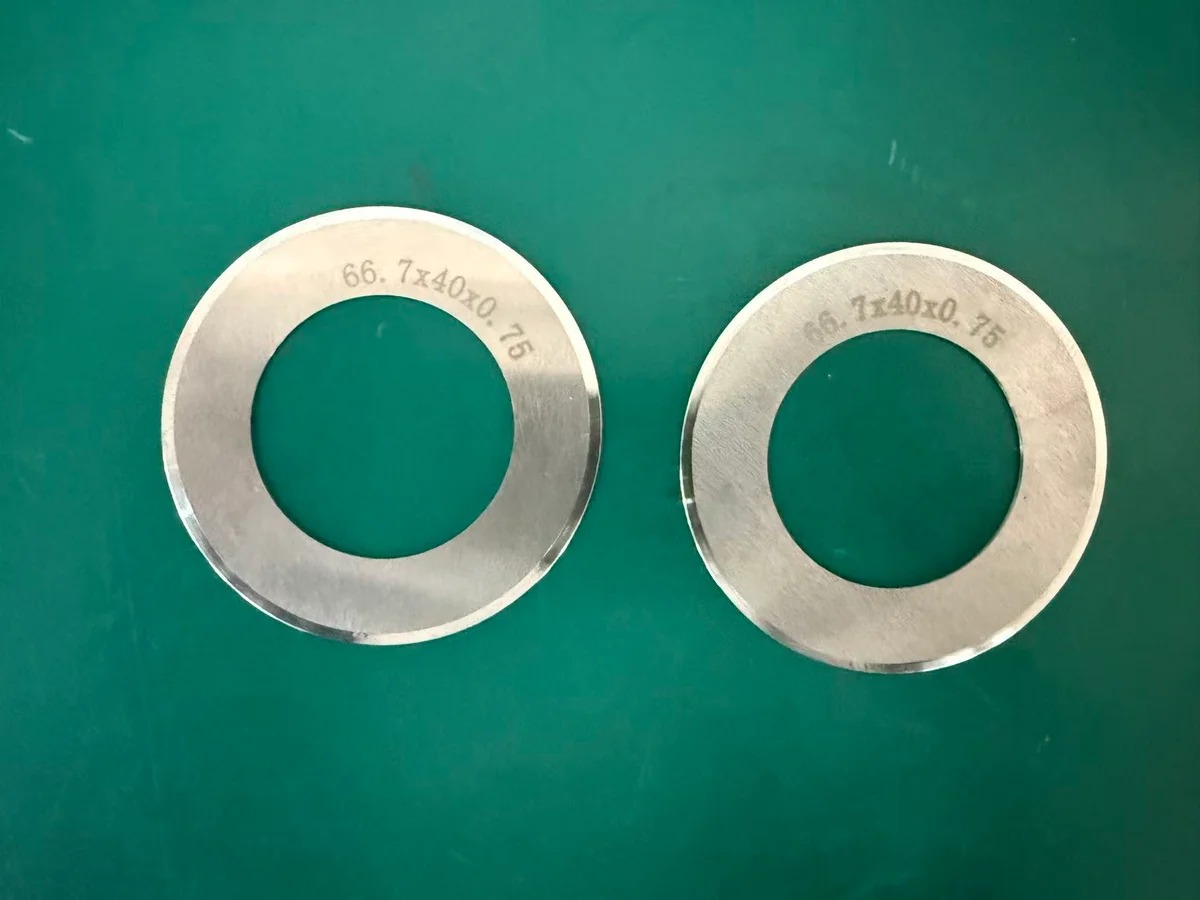
Maximize tool life and heat transfer efficiency by understanding the metallurgical and geometric design principles of industrial finned tube rolling blades.
Optimizing Copper Finned Tube Extrusion: Metallurgical Integrity and Anti-Galling Tooling Design
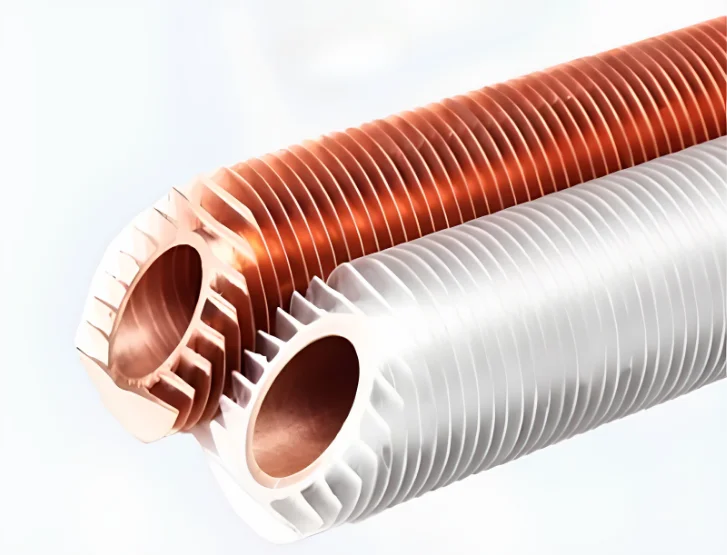
Explore the mechanics of copper finned tube extrusion, including PVD coatings, cold-welding prevention, and arbor calibration to maximize tooling lifespan.