Optimizing Copper Finned Tube Extrusion: Metallurgical Integrity and Anti-Galling Tooling Design
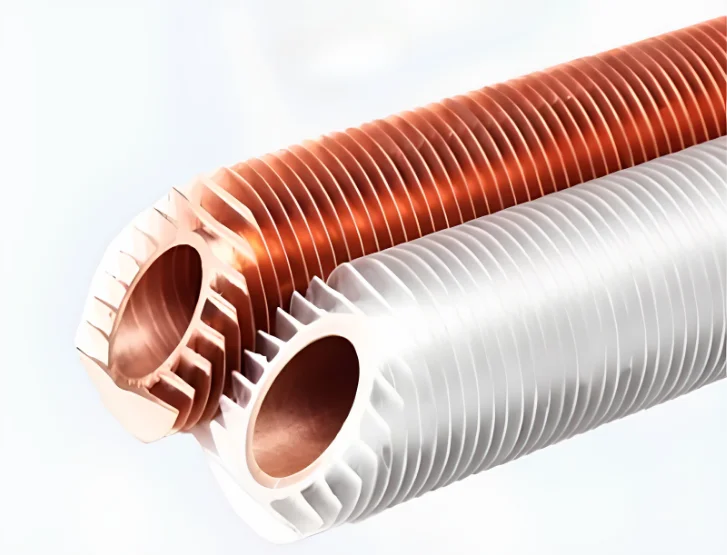
An in-depth engineering guide on copper finned tube rolling. Learn how to prevent adhesive wear (galling), optimize pitch precision, and select coatings for C12200 copper alloy finning.
In the HVAC, commercial refrigeration, and condenser manufacturing sectors, copper remains the preferred material for heat transfer tubes due to its outstanding thermal conductivity (approximately 390 W/m·K). To maximize efficiency, manufacturers turn to extruded high-fin or low-fin copper tubes.
The manufacturing process—cold-extrusion via three-arbor rolling machines—demands extreme performance from the copper finned tube rolling blade. Because copper is highly ductile and possesses a low work-hardening rate, it presents unique tribological challenges. The most critical of these is galling (adhesive wear), which can destroy the tube profile and cause premature tooling failure within hours if not properly managed.
This guide provides a detailed engineering analysis of how to optimize the copper finned tube extrusion process through advanced metallurgy, PVD coatings, and precise machine calibration.
1. The Tribology of Copper: Why Galling Occurs
During the cold-rolling process, the rolling blades penetrate the outer surface of a C12200 (phosphorus-deoxidized) copper tube. Under intense localized pressure, the copper behaves like a plastic fluid, flowing upward along the flanks of the blade to form the fins.
However, copper has a high chemical affinity for iron. At the micro-scale, the friction between the steel blade and the copper tube generates localized heat that breaks down the lubricant film. This results in direct metal-to-metal contact, leading to cold-welding:
- Micro-Adhesion: Microscopic particles of copper shear off the tube and adhere to the blade flank.
- Accumulation: With each rotation, these adhered particles accumulate, forming a rough copper-on-copper contact zone.
- Profile Destruction: The accumulated copper tears the flanks of the newly formed fins, resulting in jagged edges, split fins (fish-tailing), and inconsistent fin heights.
To prevent this, tooling engineers must focus on reducing the coefficient of friction and preventing chemical bonding between the blade steel and the copper alloy.
2. Advanced Coatings: PVD Solutions for Copper Extrusion
Applying a physical vapor deposition (PVD) coating to the rolling blades is the most effective method for preventing adhesive wear. The coating acts as a thermal and chemical barrier, preventing the copper from contacting the underlying tool steel.
A. Chromium Nitride (CrN) — The Industry Standard
Chromium Nitride is highly recommended for copper rolling applications.
- Low Friction: It features an exceptionally low coefficient of friction against non-ferrous metals (approximately 0.3).
- Low Affinity: Copper has virtually no chemical affinity for chromium, preventing micro-welding.
- Ductility: CrN possesses excellent toughness and can withstand the elastic deflection of the blade under radial load without cracking or flaking.
B. Titanium Aluminum Nitride (TiAlN) — For High-Temperature Runs
For high-speed extrusion lines where thermal buildup is significant:
- Thermal Barrier: TiAlN forms a protective aluminum oxide (alumina) layer at temperatures exceeding 800°C, protecting the blade tip from thermal softening.
- Hardness: With a hardness of around 3,000 HV, it offers superior abrasive wear resistance if the copper tube contains trace impurities.
C. Diamond-Like Carbon (DLC) — The Ultimate Smoothness
For ultra-precise, high-FPI (Fins Per Inch) micro-fin tubes:
- Mirror Finish: DLC coatings provide a coefficient of friction below 0.1. This ensures that the copper flows effortlessly, producing a mirror-like finish on the fin flanks that optimizes air-side heat transfer.
3. Geometric and Operational Calibration
Optimizing tool life and tube quality requires coordinating your machine settings with the geometry of the rolling blades.
Pitch and Alignment
The pitch of the rolling blades must match the target fin density exactly. Any axial misalignment between the three arbors will induce lateral forces on the blades, causing them to flex. This leads to:
- Asymmetric fin profiles (one side of the fin is thinner than the other).
- Accelerated wear on one flank of the blade.
- Increased risk of blade breakage due to bending fatigue.
Lubrication Dynamics
Traditional soluble oil emulsions often lack the film strength required for copper extrusion.
- Viscosity: A neat, sulfur-free mineral oil with a viscosity of 45 to 60 cSt at 40°C is recommended. Sulfur additives must be avoided as they chemically react with copper, staining the tube black.
- Flow Rate: The lubricant must be supplied via high-velocity nozzles directed precisely at the entry point where the blade first contacts the tube, ensuring the friction zone is continuously flooded.
B2B Procurement: Evaluating Tooling Lifetime
For procurement departments, evaluating rolling blades based on cost-per-meter produced rather than initial purchase price is essential.
Cost per Meter = (Blade Cost + Downtime Cost) / Total Meters Produced
NEXMEK premium copper finned tube rolling blades, manufactured from vacuum-hardened HSS M35 and coated with ultra-dense CrN, consistently deliver over 30,000 meters of high-quality extruded tube under standard operating conditions—reducing tooling changes and machine downtime by up to 60% compared to non-coated imports.
Technical Consultation and Support
NEXMEK provides complete tooling solutions for copper finned tube manufacturers worldwide. Our engineering team in Shanghai can assist you with arbor design, spacer calibration, and selecting the optimal blade geometries for your specific HVAC and industrial condenser applications.
Contact us today to request technical drawings, discuss custom fin profiles, or receive a B2B quotation.
موارد ذات صلة
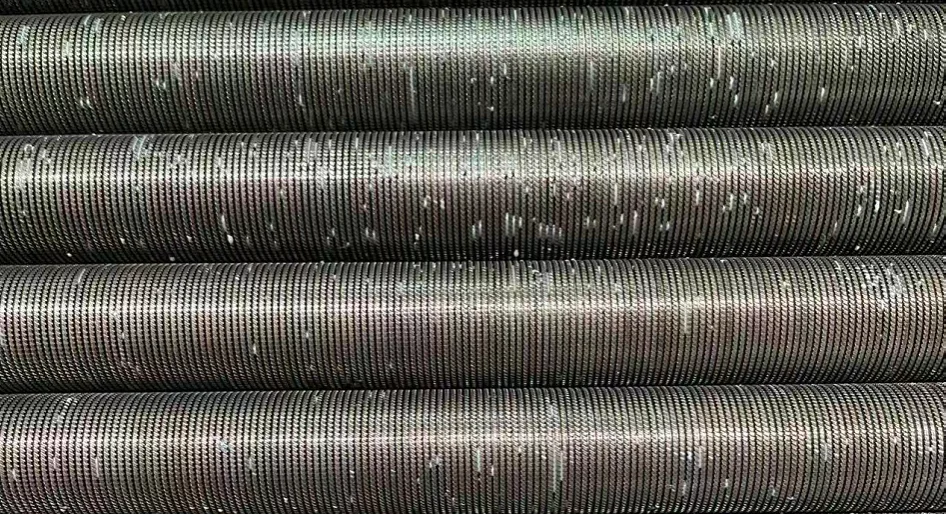
The Role of Precision Rolling Tools in Maximizing Heat Exchanger Thermal Efficiency
Discover how the micro-geometric precision of finned tube rolling blades directly determines heat transfer coefficients and prevents thermal contact resistance in industrial heat exchangers.
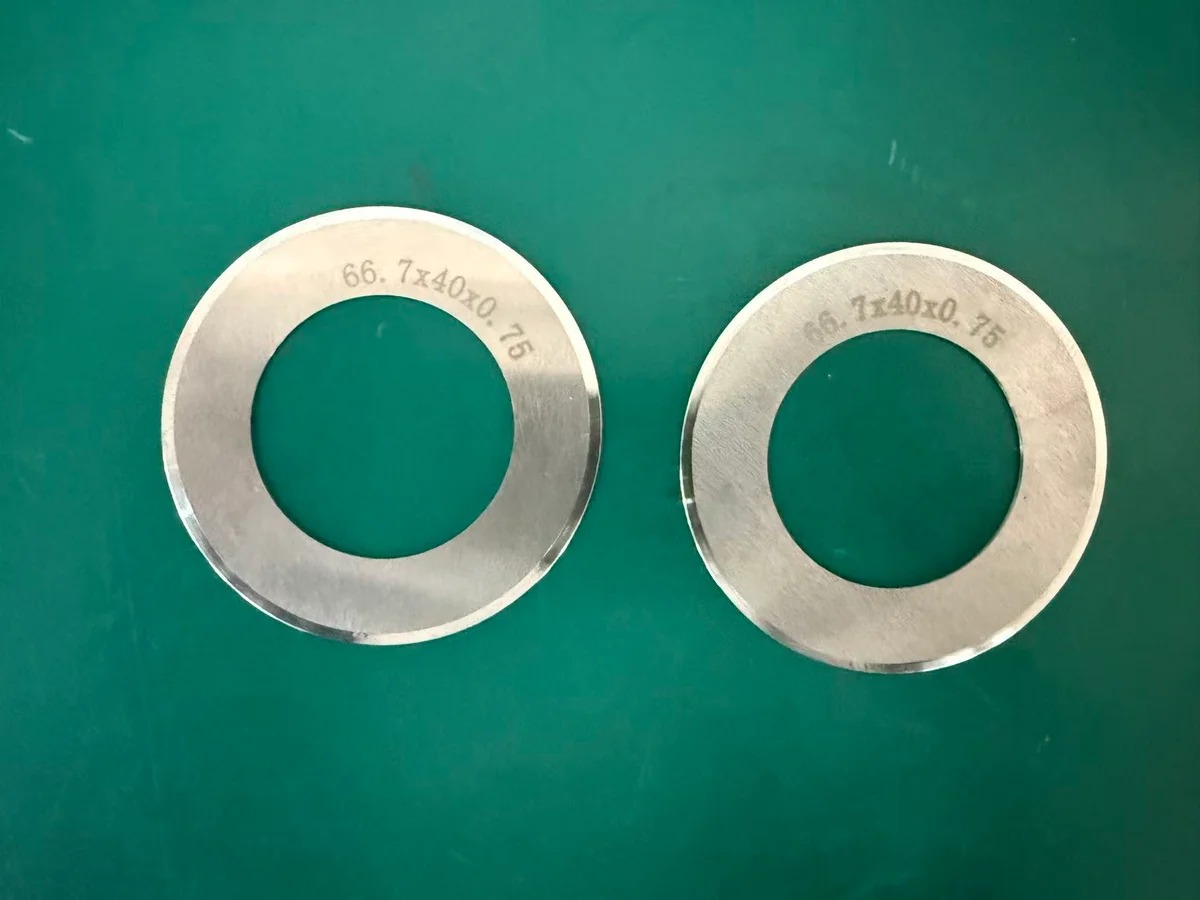
The Metallurgy and Geometry of Finned Tube Rolling Blades: A B2B Manufacturing Guide
Maximize tool life and heat transfer efficiency by understanding the metallurgical and geometric design principles of industrial finned tube rolling blades.
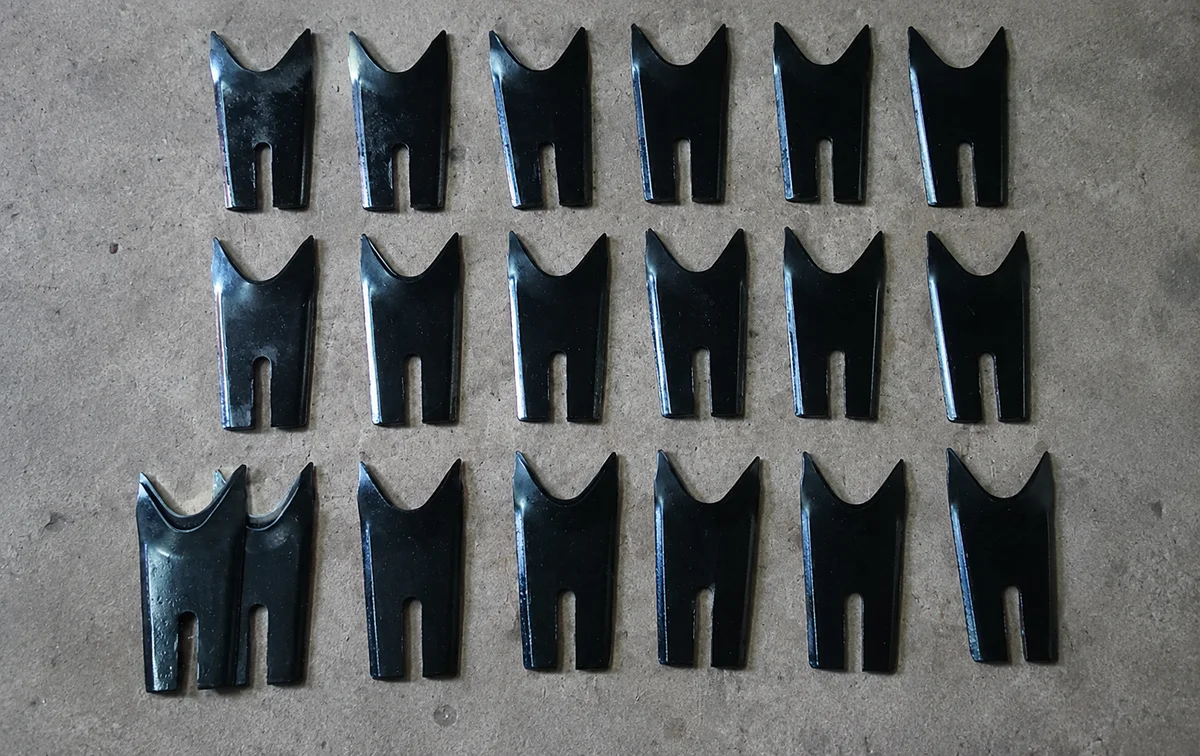
Industrial Shear Blades for Container Glass Manufacturing: Optimizing Lifetime and Cut Quality
Learn how premium tungsten carbide metallurgy, precise blade tensioning, and optimized shear spray lubrication prevent defects and extend shear blade lifetime in high-volume glass manufacturing.